
$ cd ~/talks/performance-beyond-your-portfolio
Performance: Beyond Your Portfolio
Google's RAIL model for what fast feels like, quick wins you can ship today, and how HTTP/2 changes the way the web is delivered.
$ open slides












































$ cat notes.md
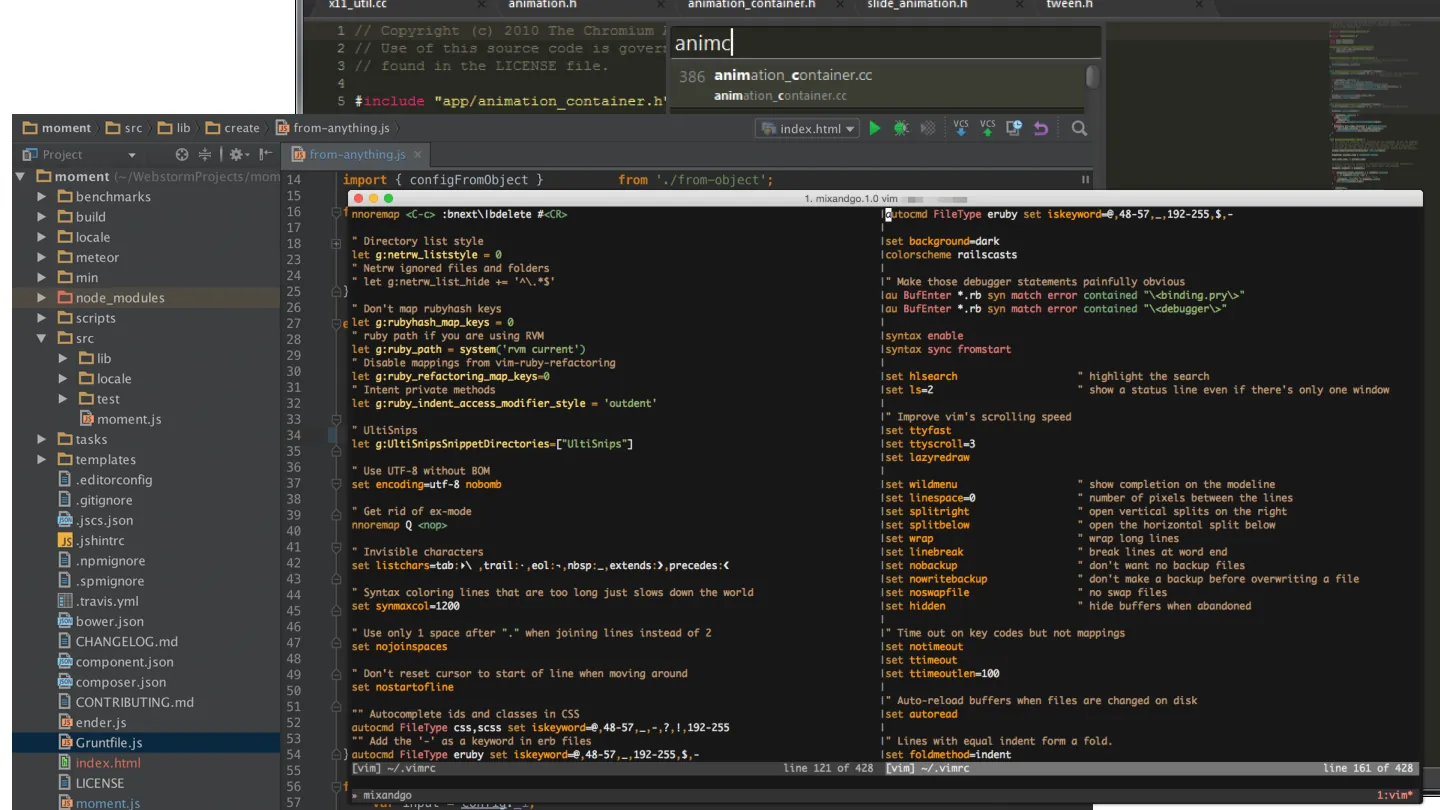
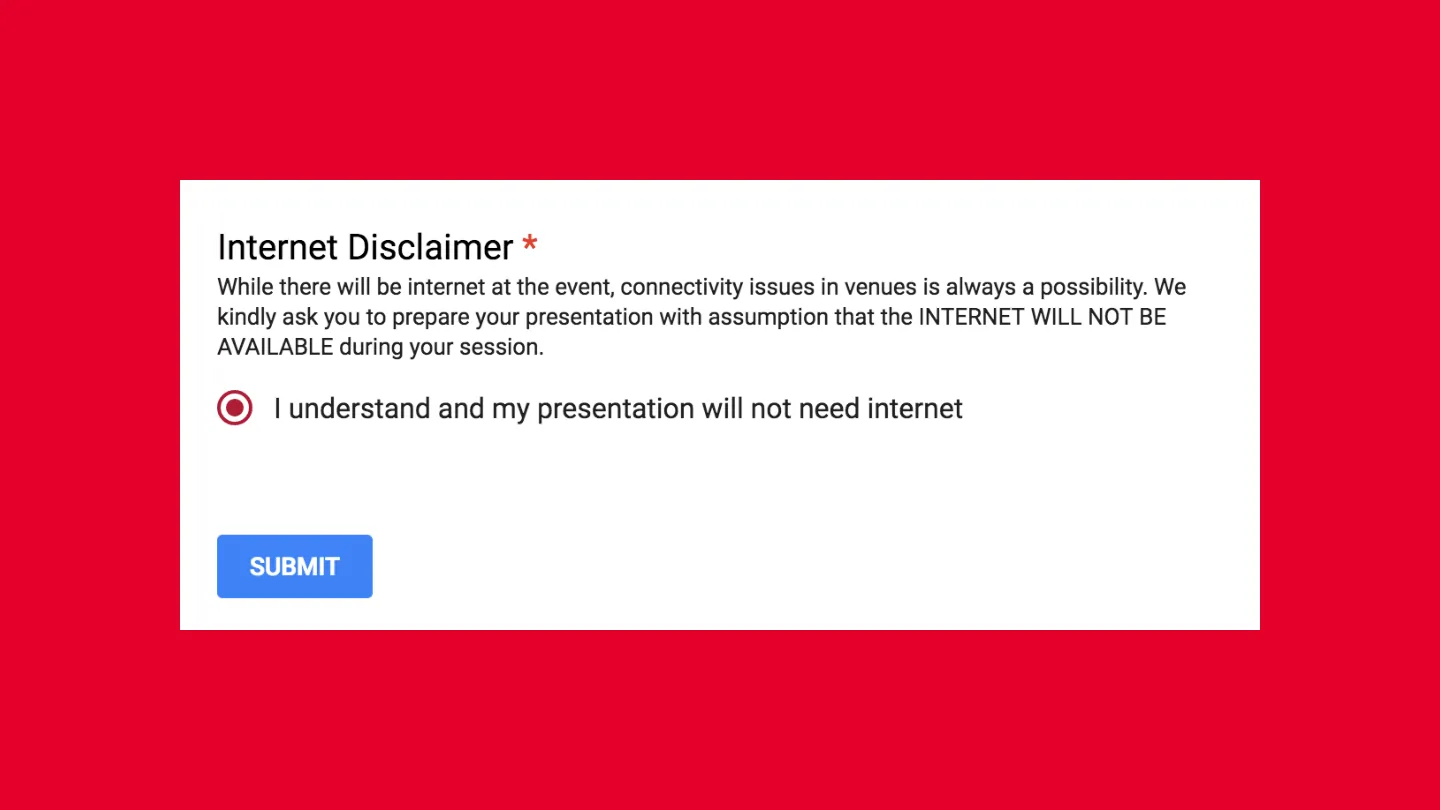
Jokes may not be as funny.
It’s all about the user
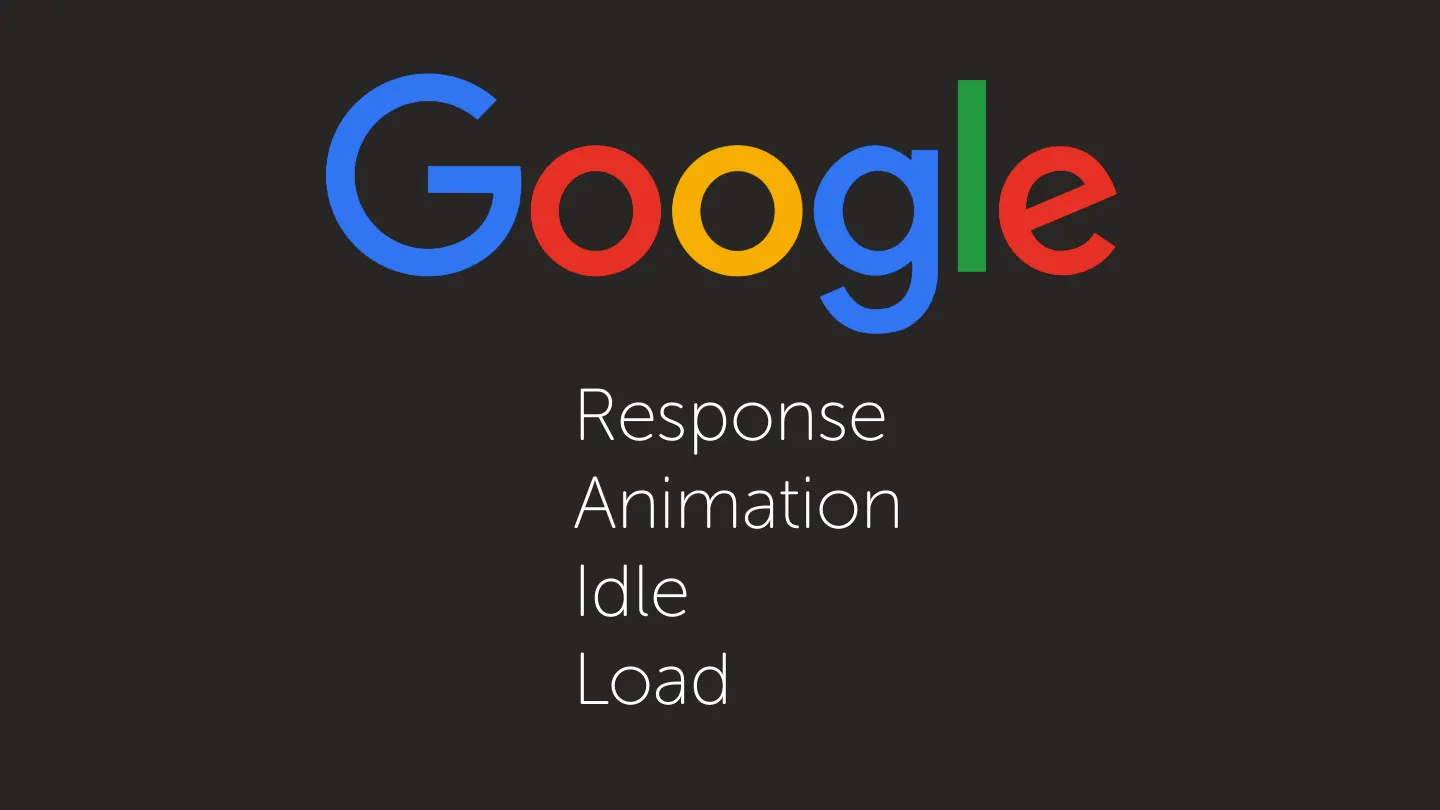
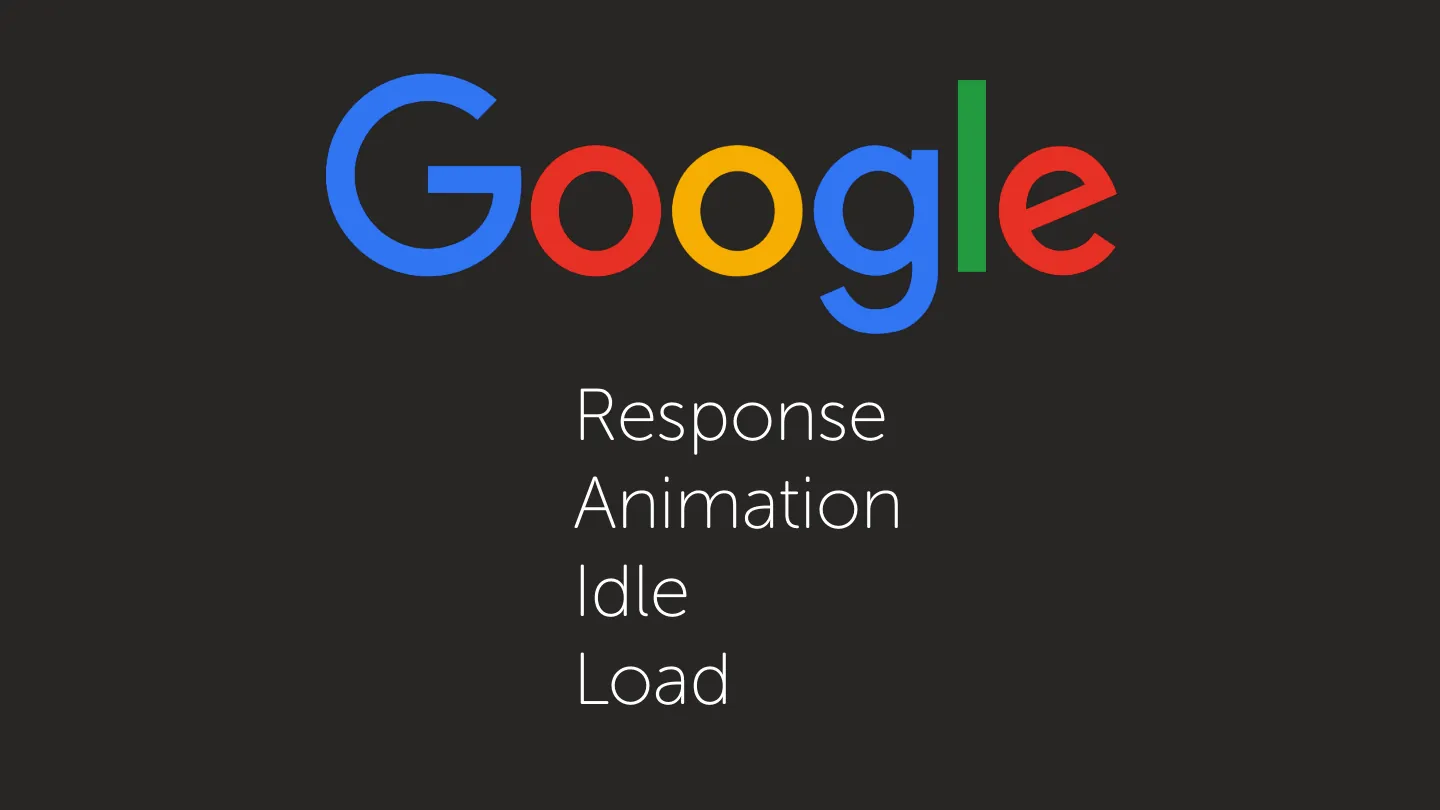
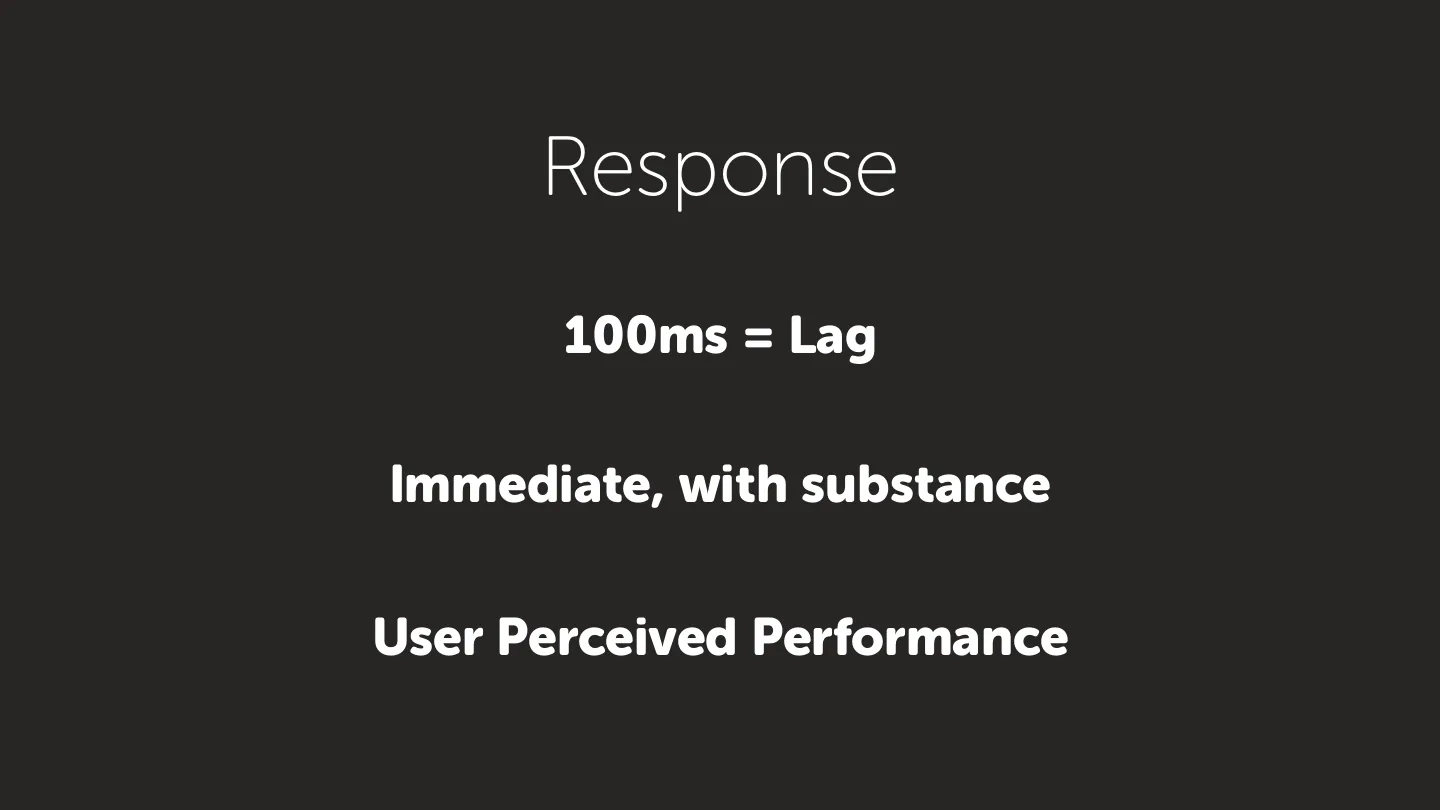
Google’s RAIL model breaks performance into what people actually feel:
- Response: react within 100ms, or it feels like lag. Respond immediately, and with substance.
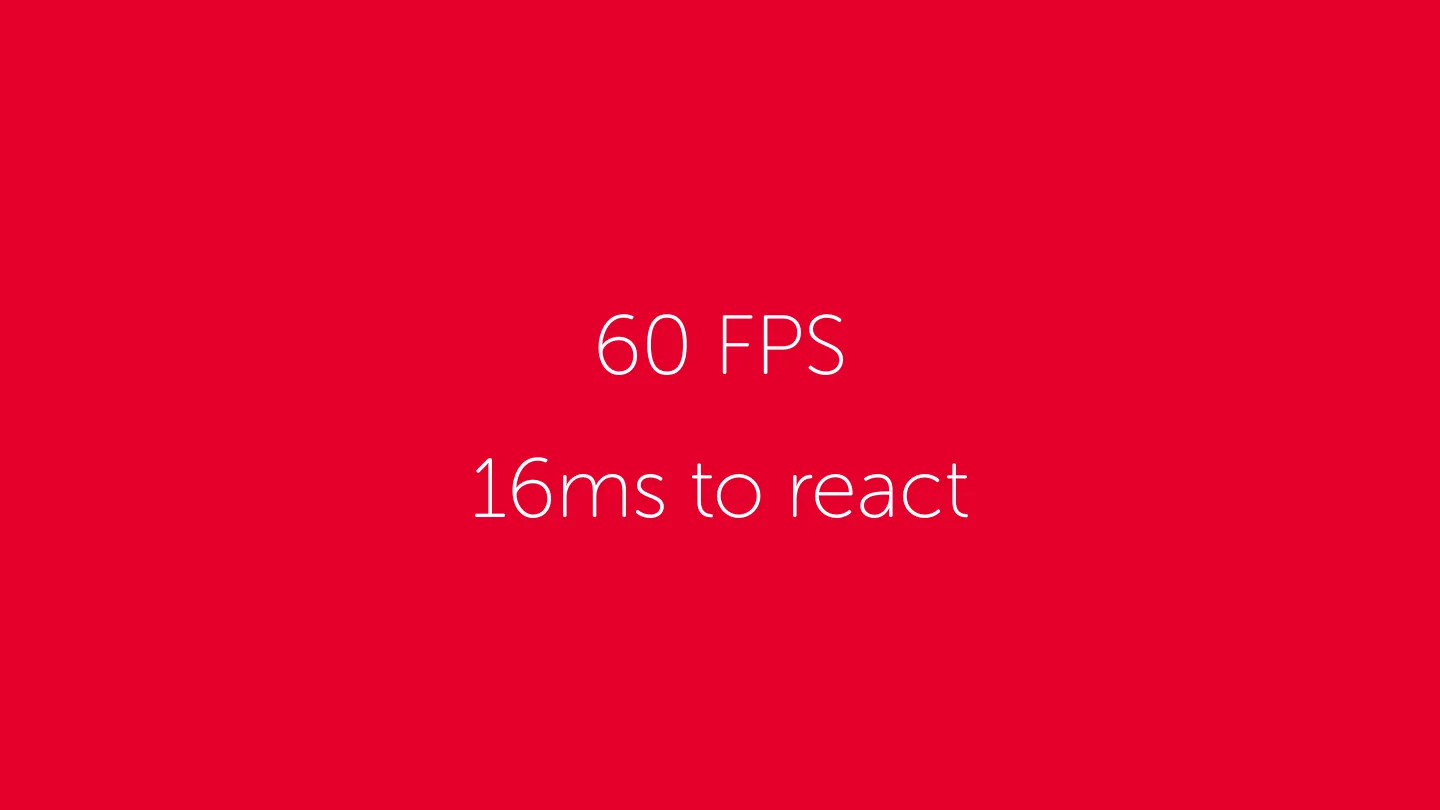
- Animation: 60 frames per second, which gives you about 16ms per frame.
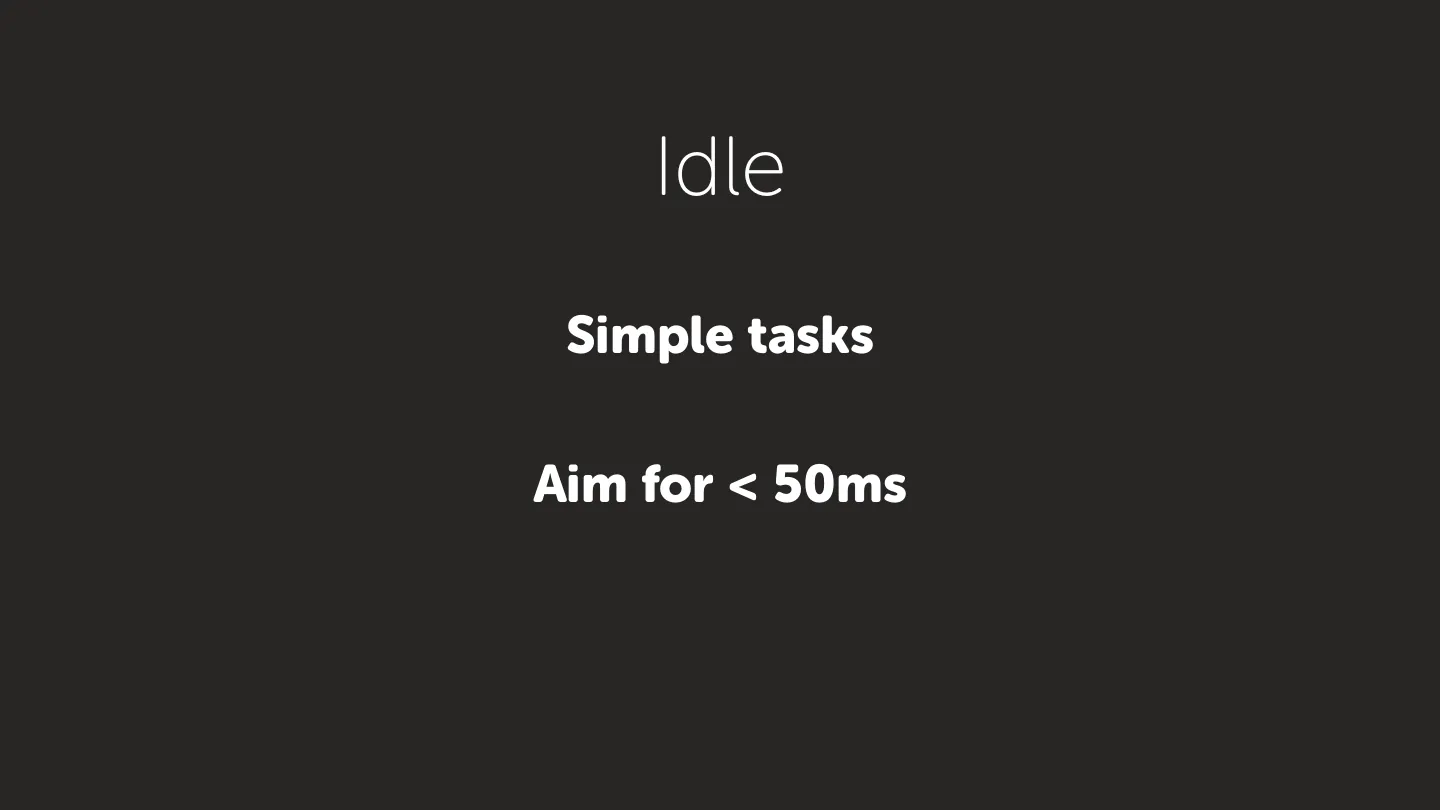
- Idle: keep background work in small chunks, under 50ms.
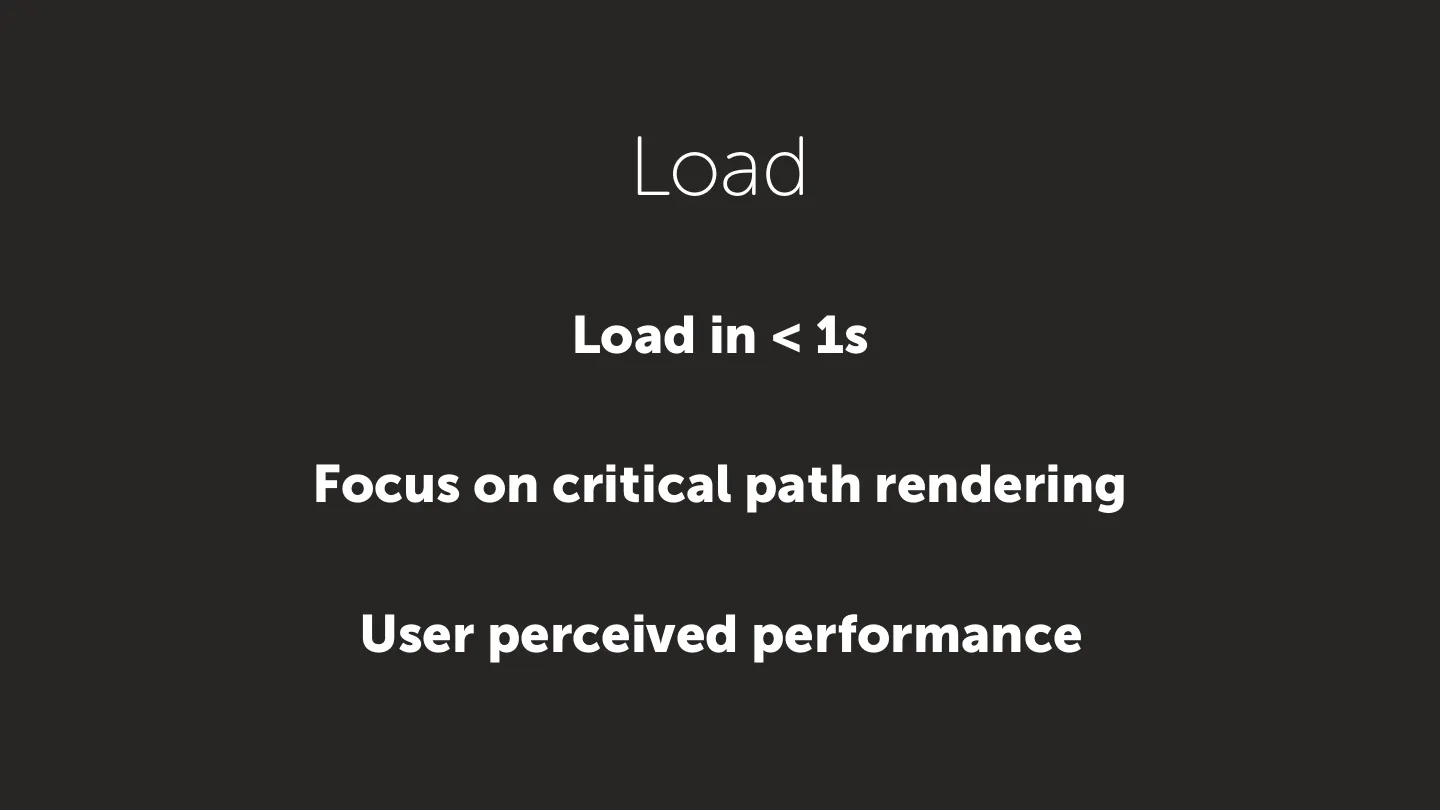
- Load: get something useful on screen in under a second.
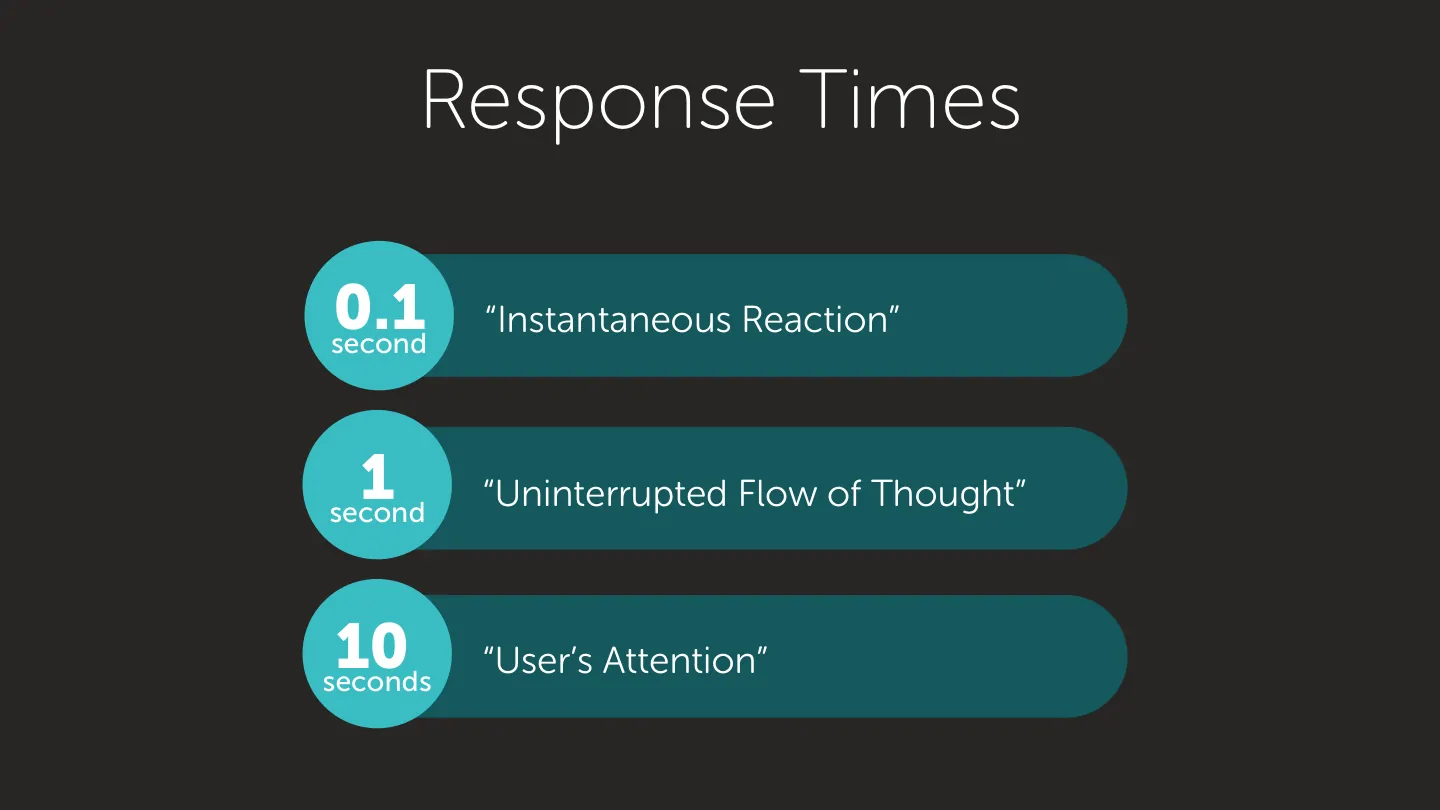
It lines up with the classic response-time limits: 0.1 seconds feels instantaneous, 1 second keeps the flow of thought, and 10 seconds is about as long as you’ll hold someone’s attention.
Quick wins
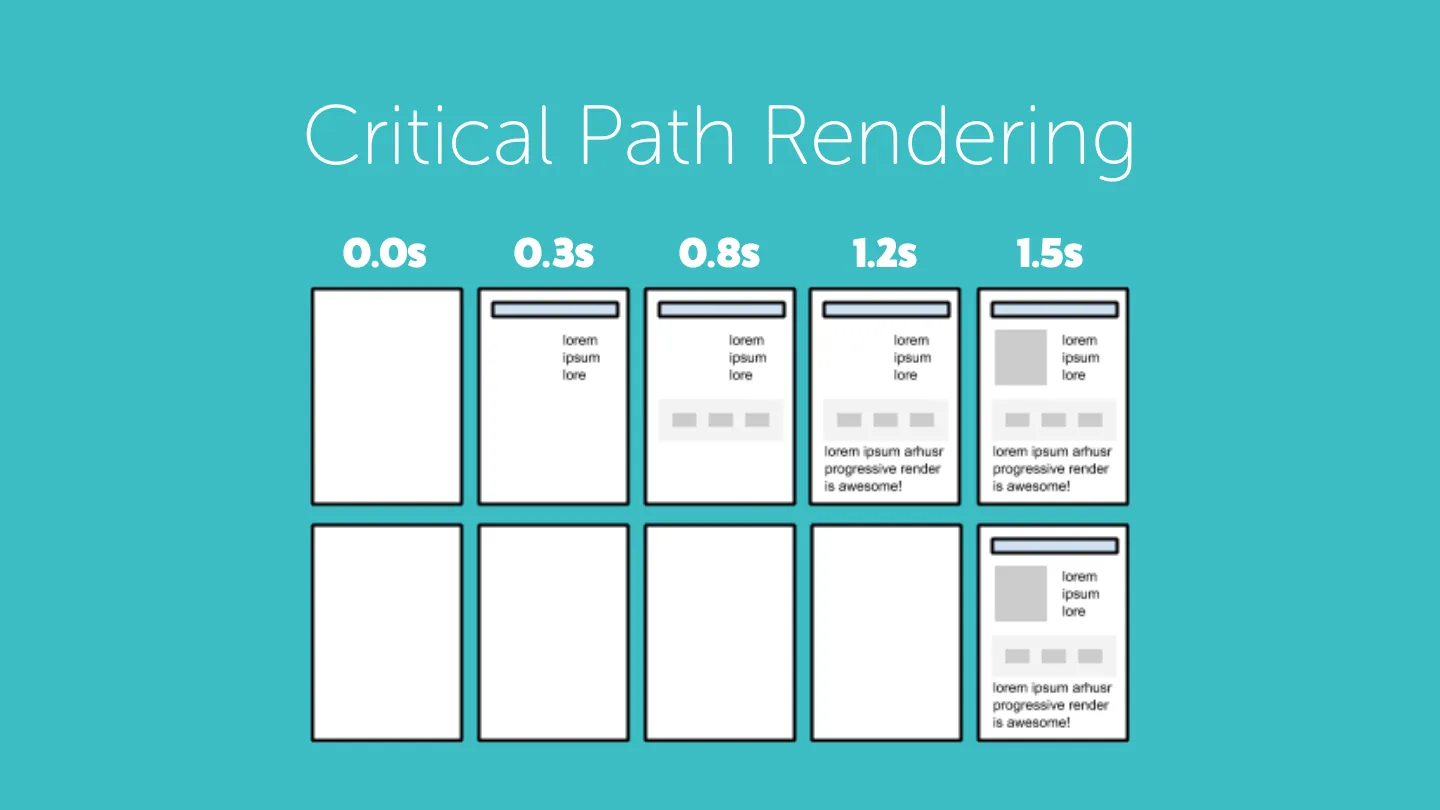
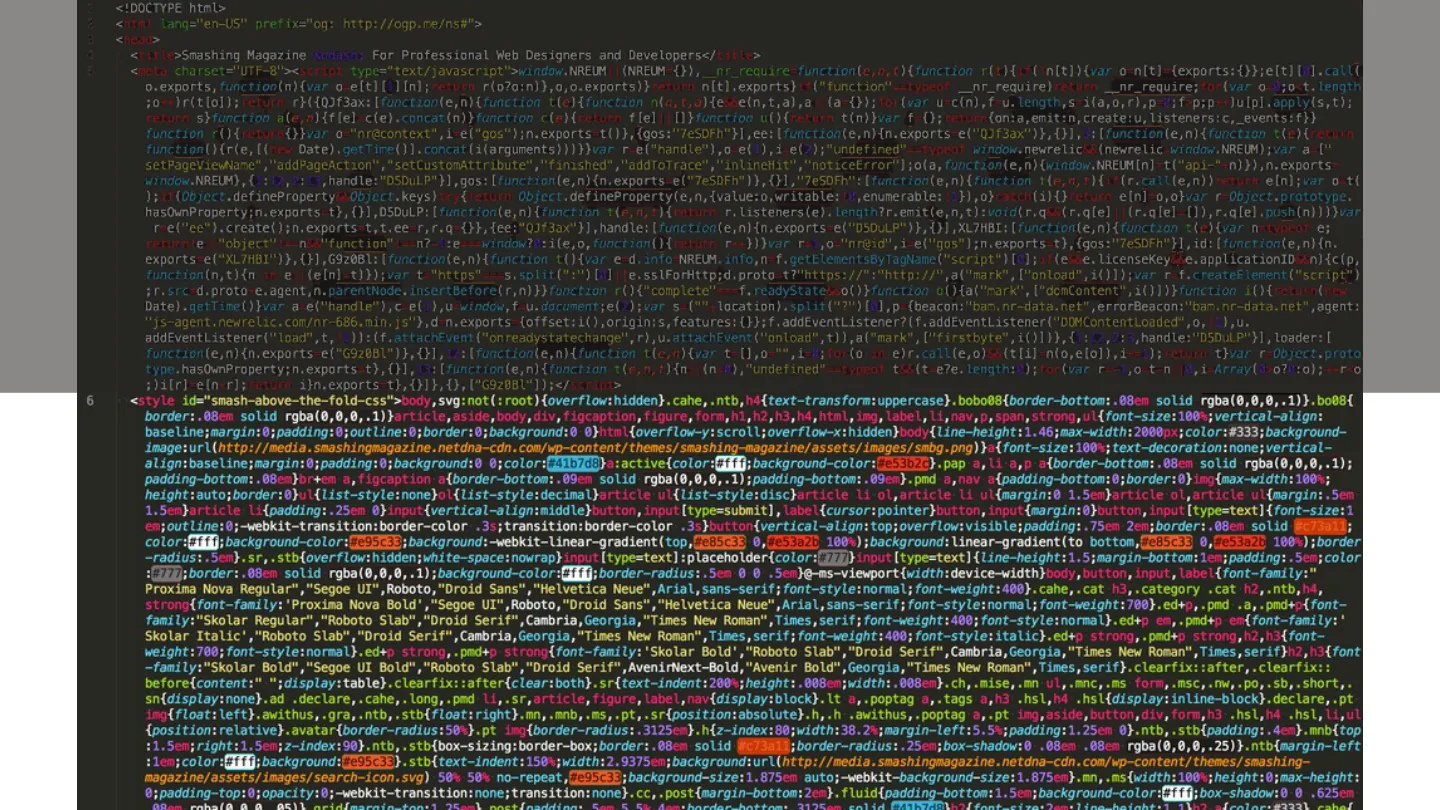
- Critical path CSS: inline what the first screen needs so it can render before the rest arrives.
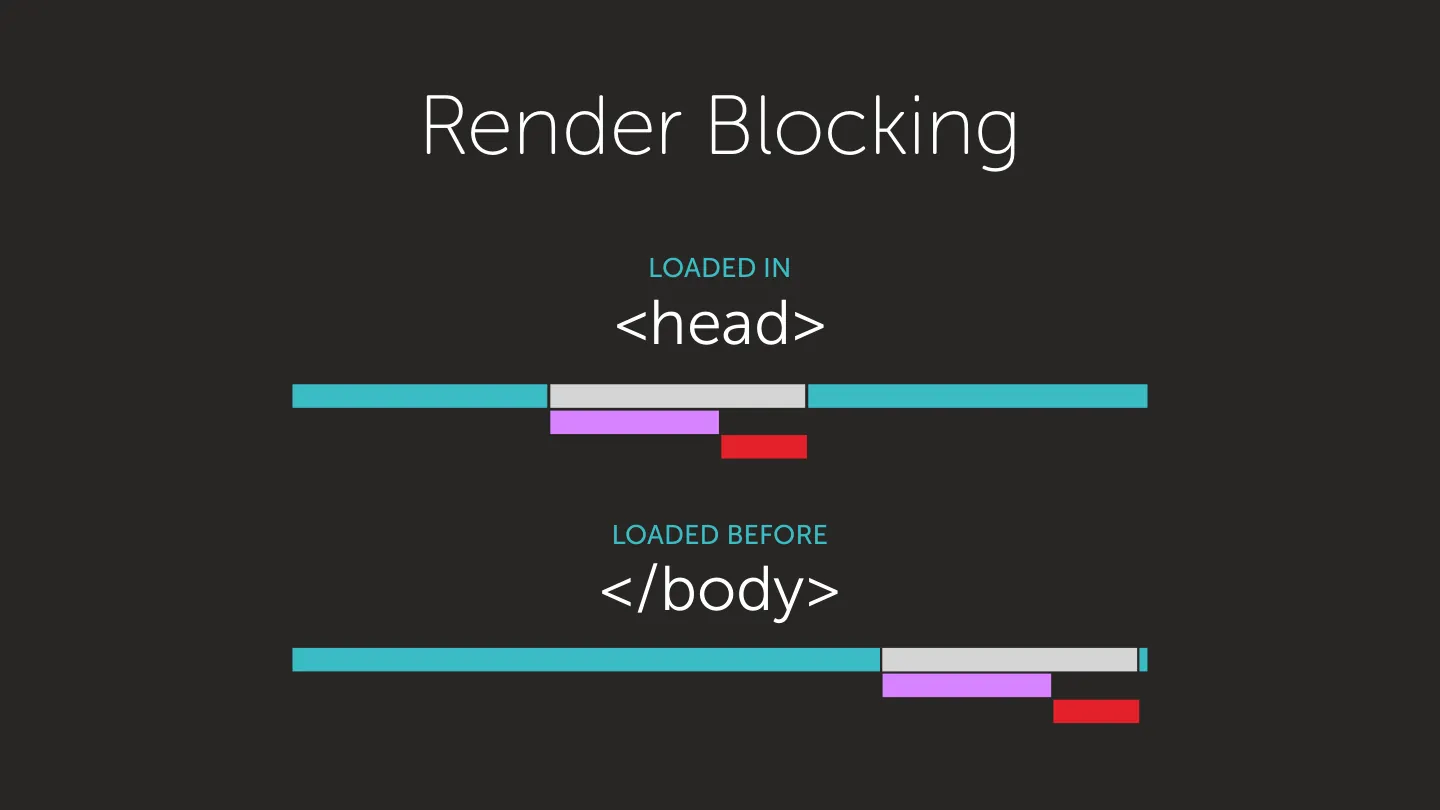
- Render-blocking JavaScript: move scripts from the
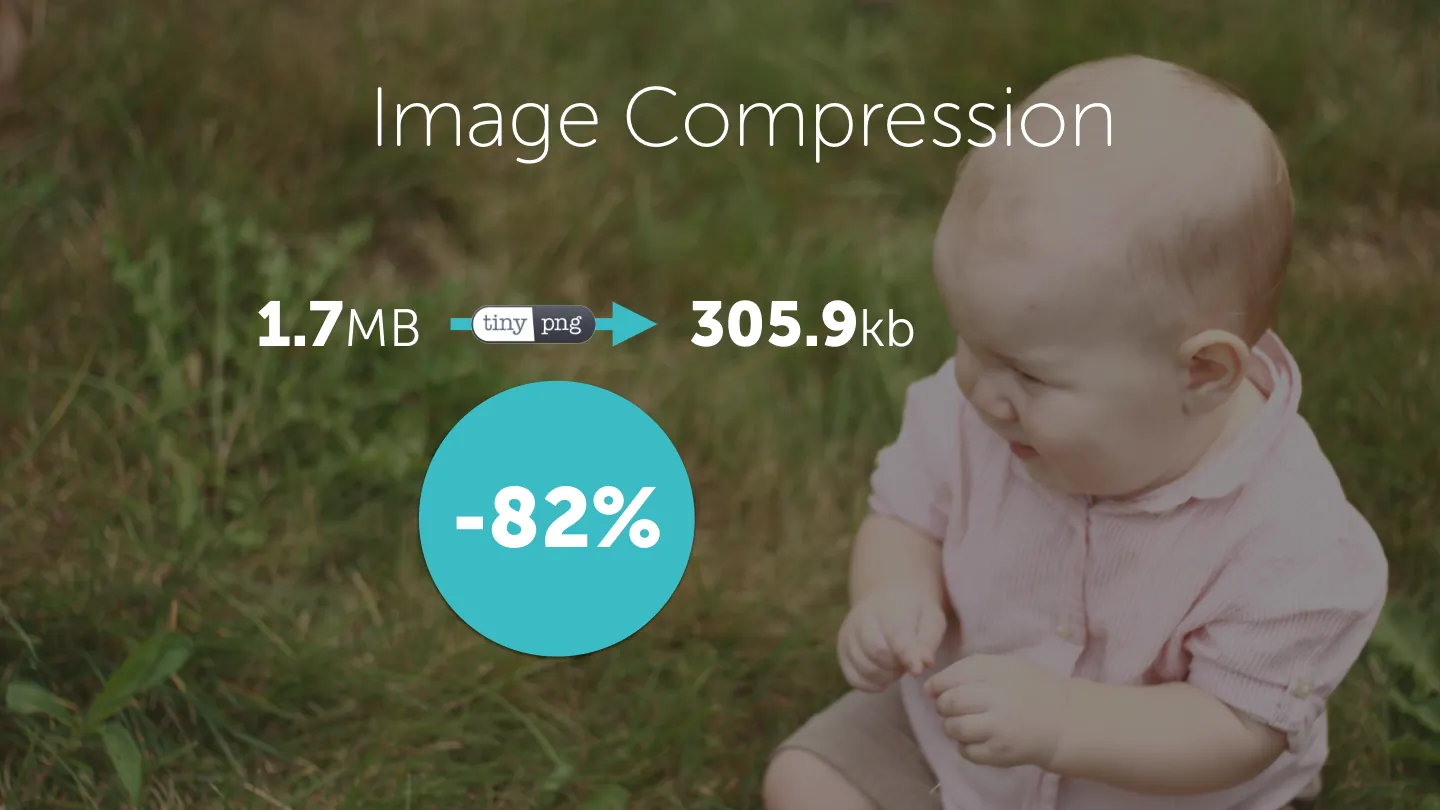
<head>to just before</body>. - Image compression: one image went from 1.7MB to 305.9KB (-82%) through TinyPNG.
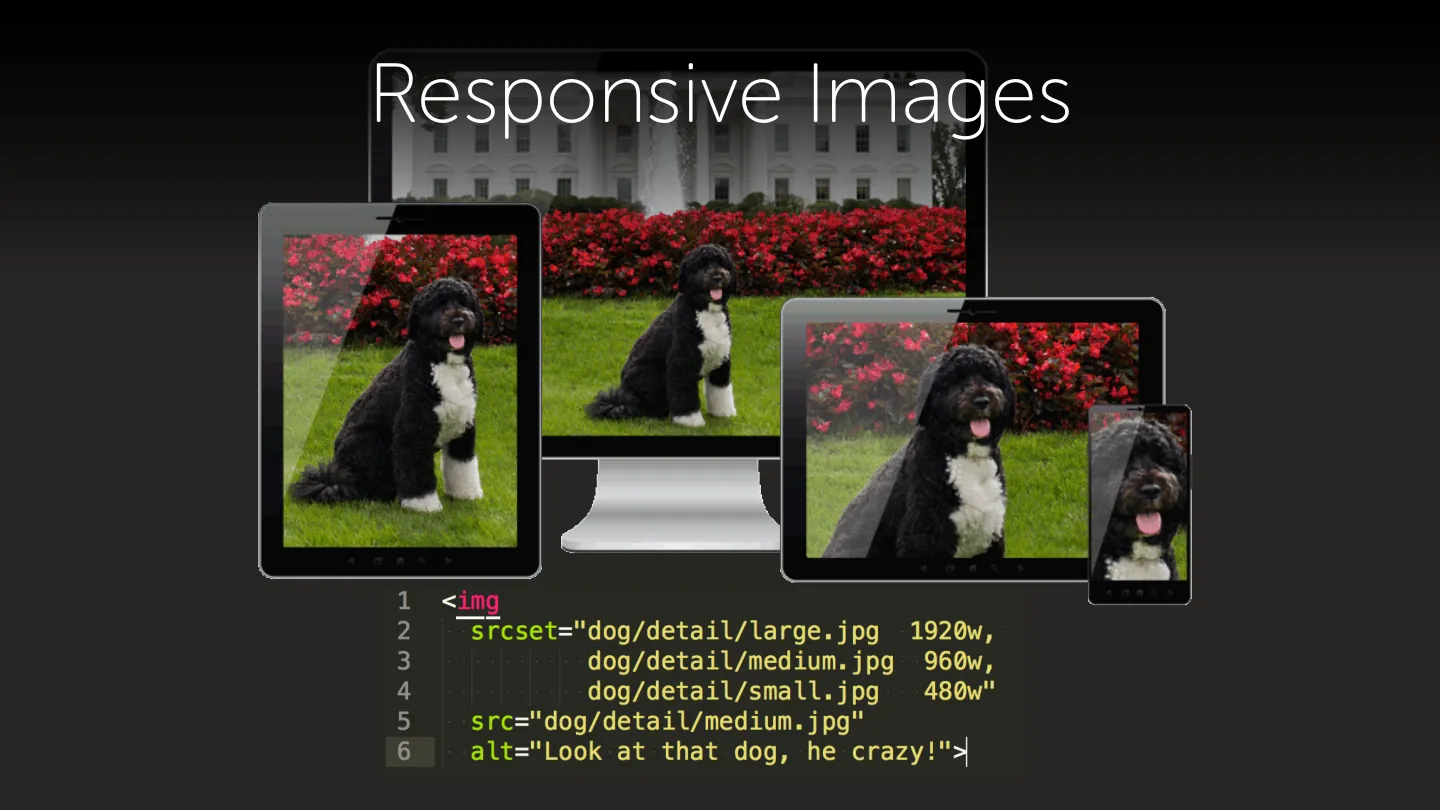
- Responsive images:
srcsetso phones don’t download desktop images. - Lazy loading: only load images when they’re about to be seen.
- File compression: gzip everything you can.
HTTP/2
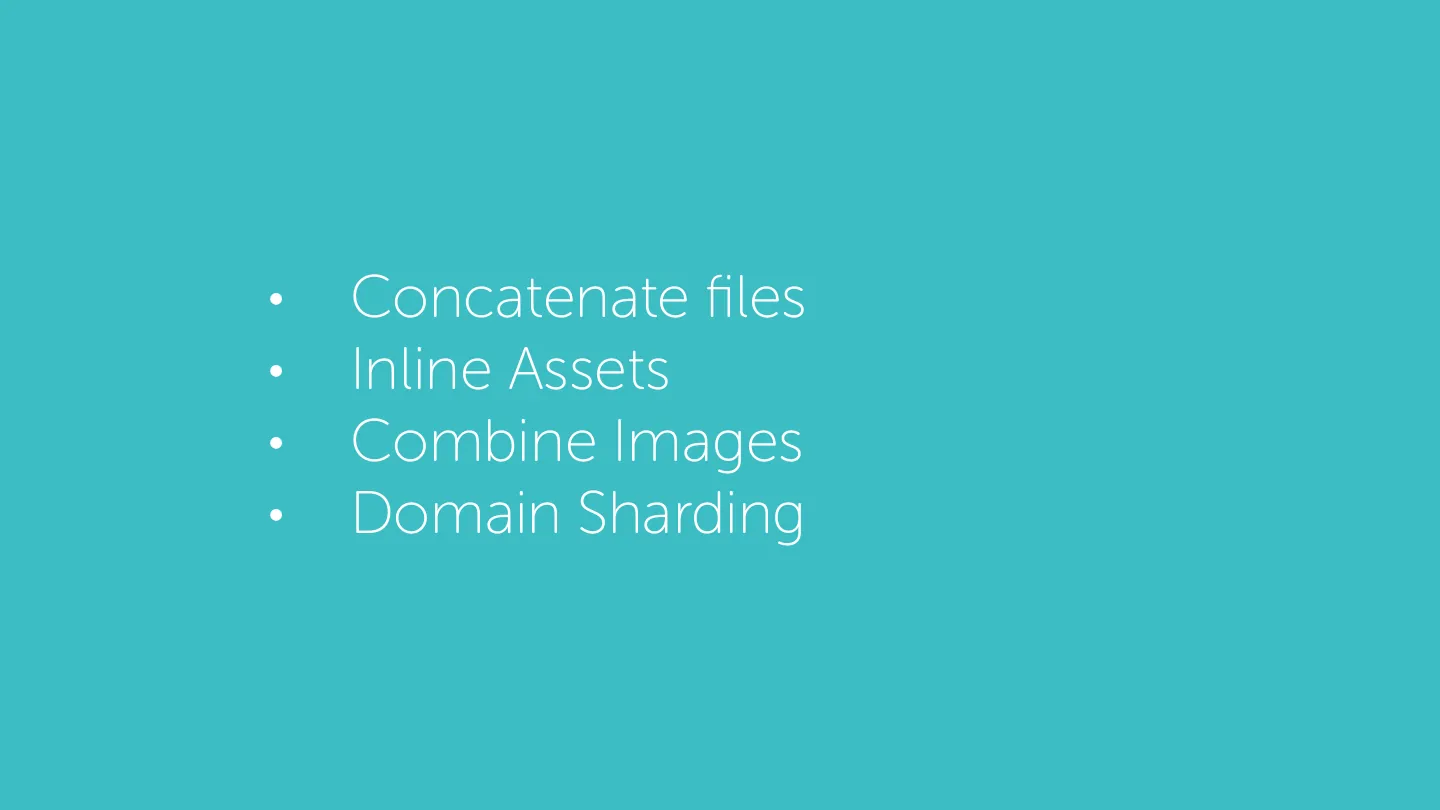
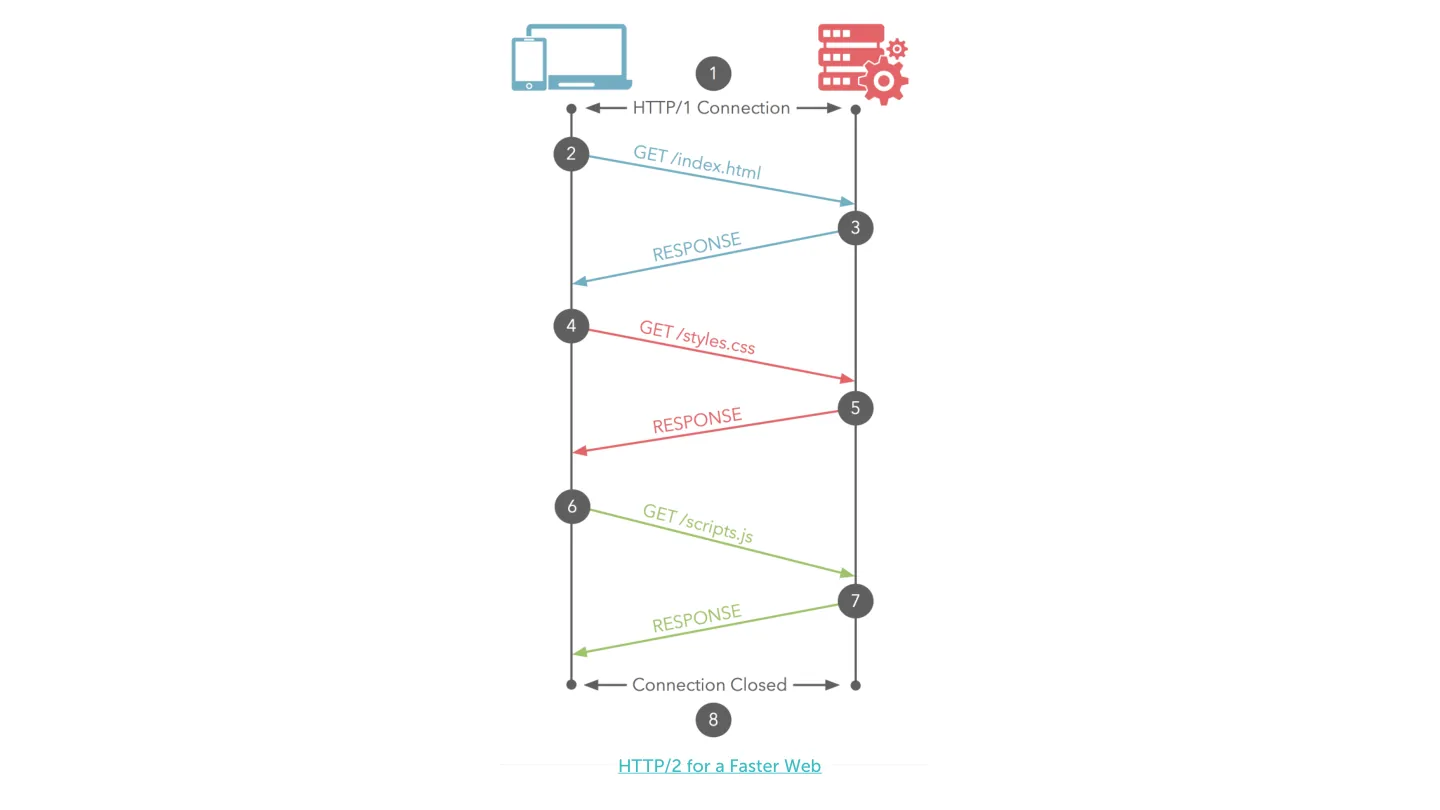
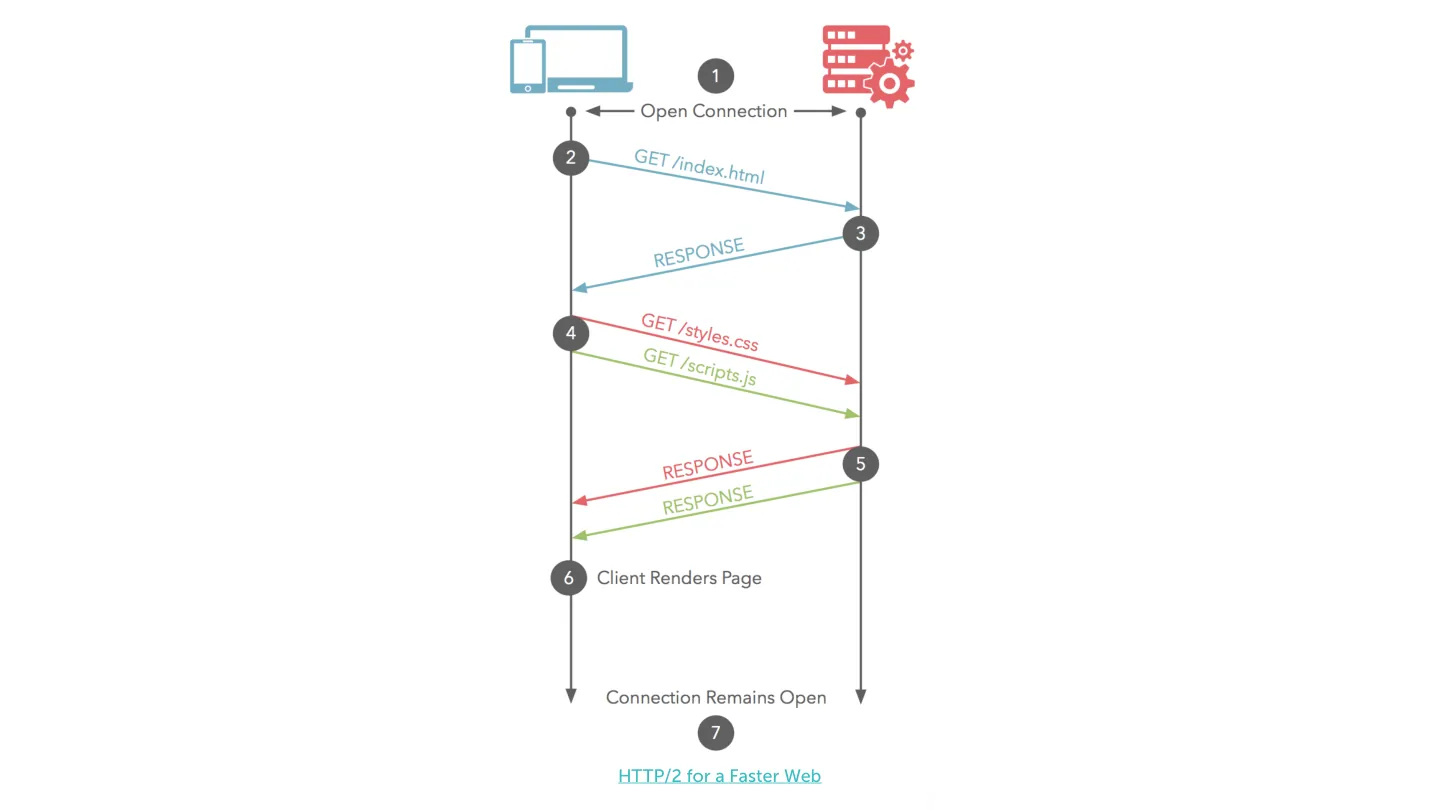
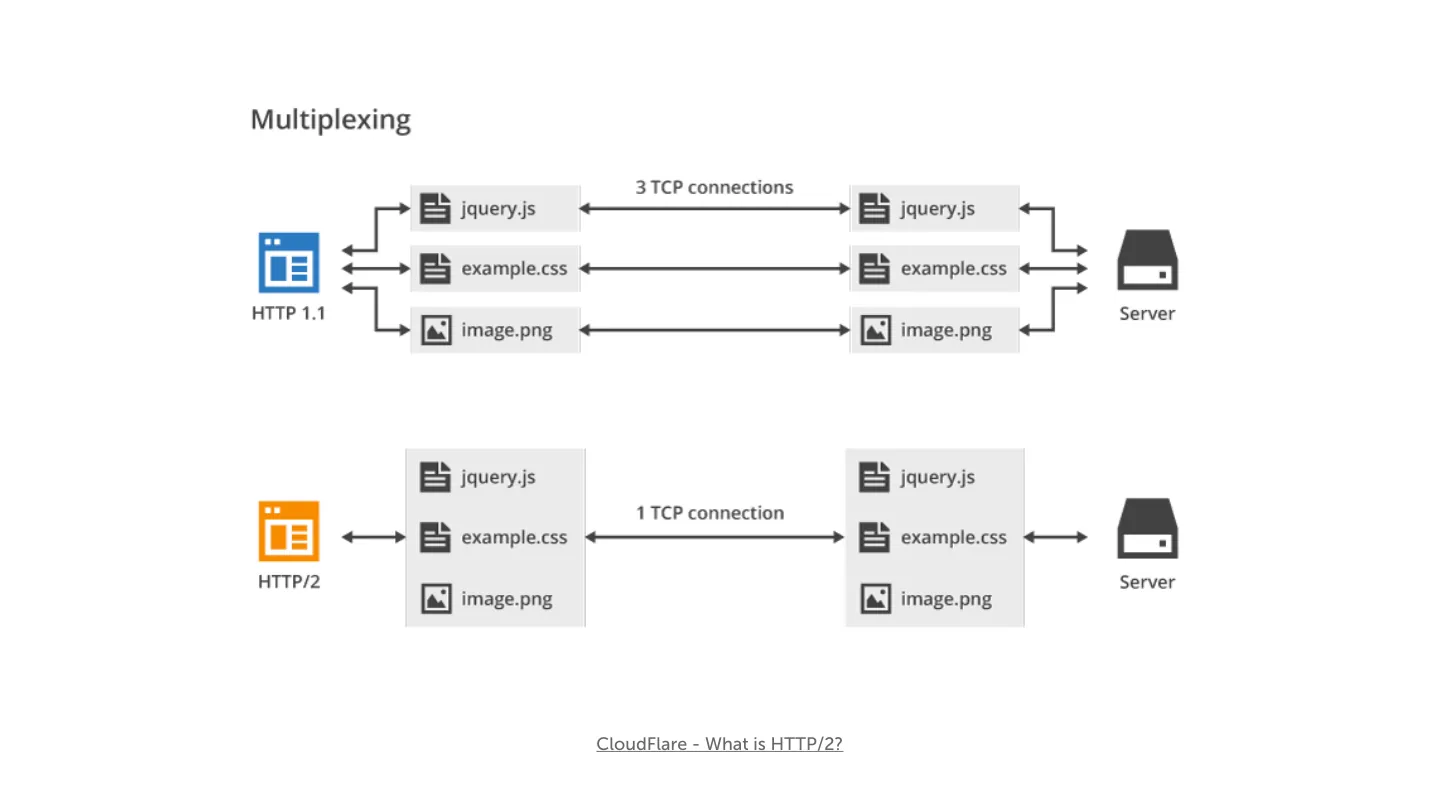
HTTP/2 grew out of Google’s SPDY. A lot of what we did to speed up HTTP/1.1 was a workaround for its limits: concatenating files, inlining assets, combining images into sprites, and sharding across domains. HTTP/2 makes most of those unnecessary:
- Binary protocol: more compact and less error-prone to parse than text.
- Multiplexing: many requests and responses share one connection at the same time, instead of queueing up behind each other.
- Header compression: repeated headers aren’t sent over and over.
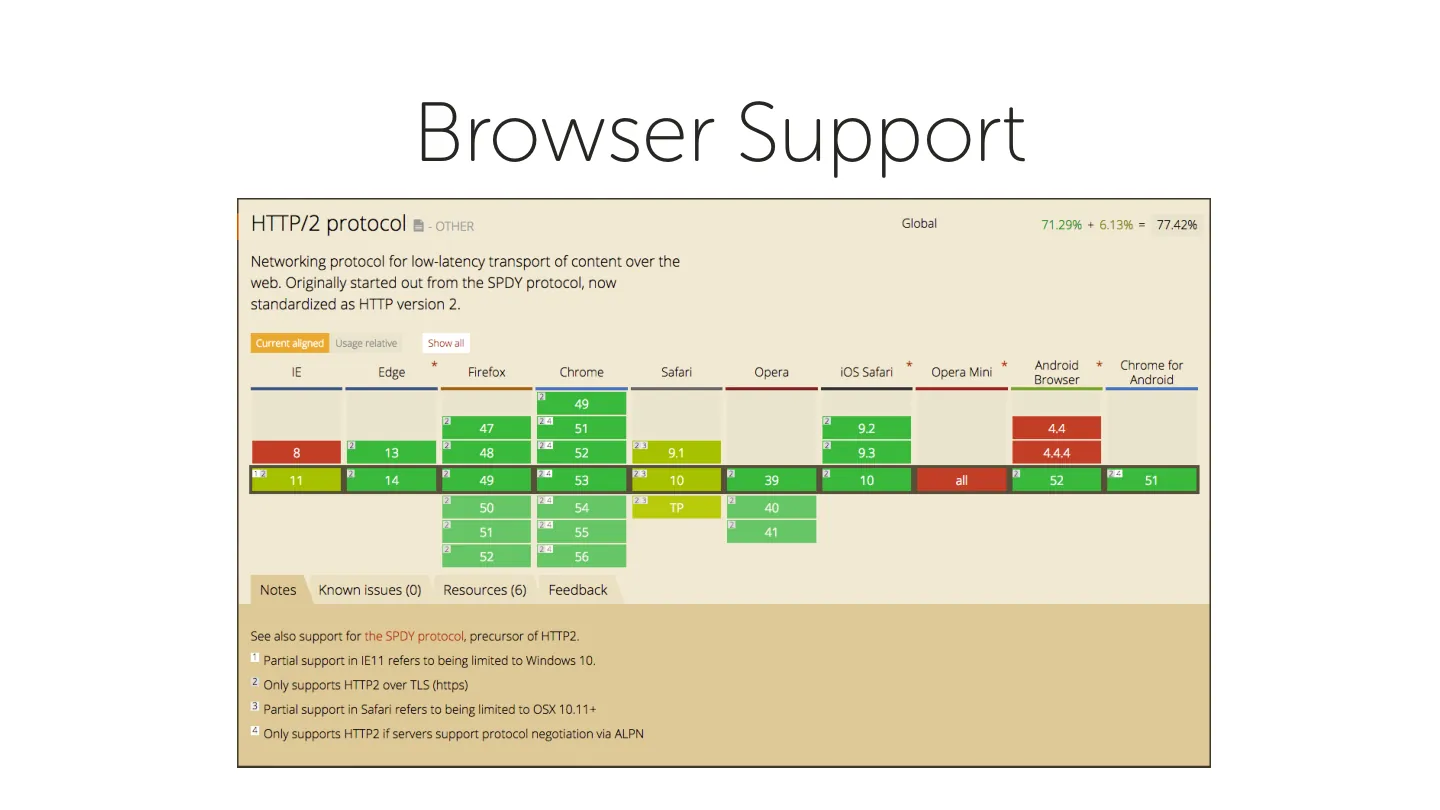
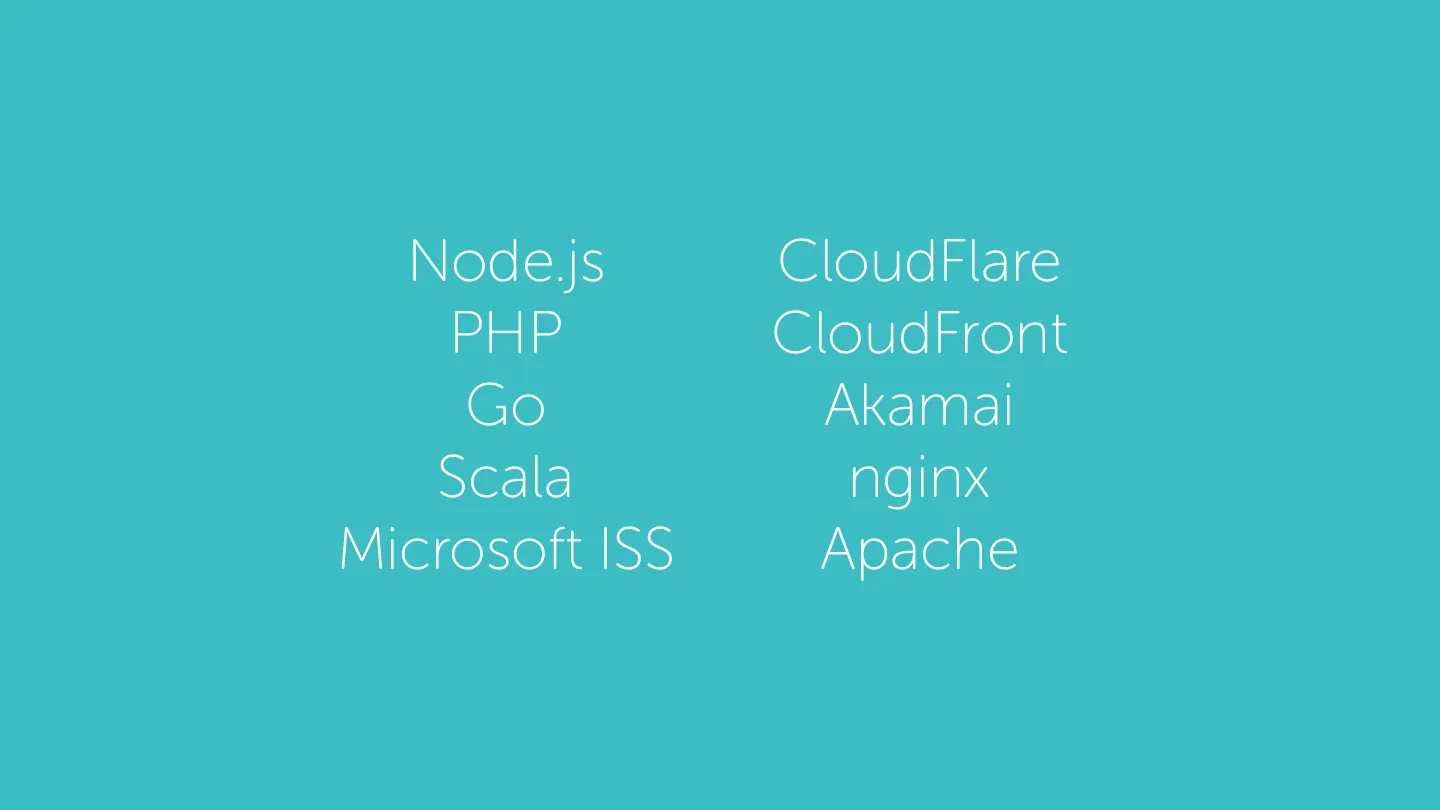
The catch: browsers only speak HTTP/2 over TLS, so you need HTTPS. Support was already broad across browsers, servers (Node.js, PHP, Go, nginx, Apache, IIS) and CDNs (CloudFlare, CloudFront, Akamai). HTTP/2 is here.
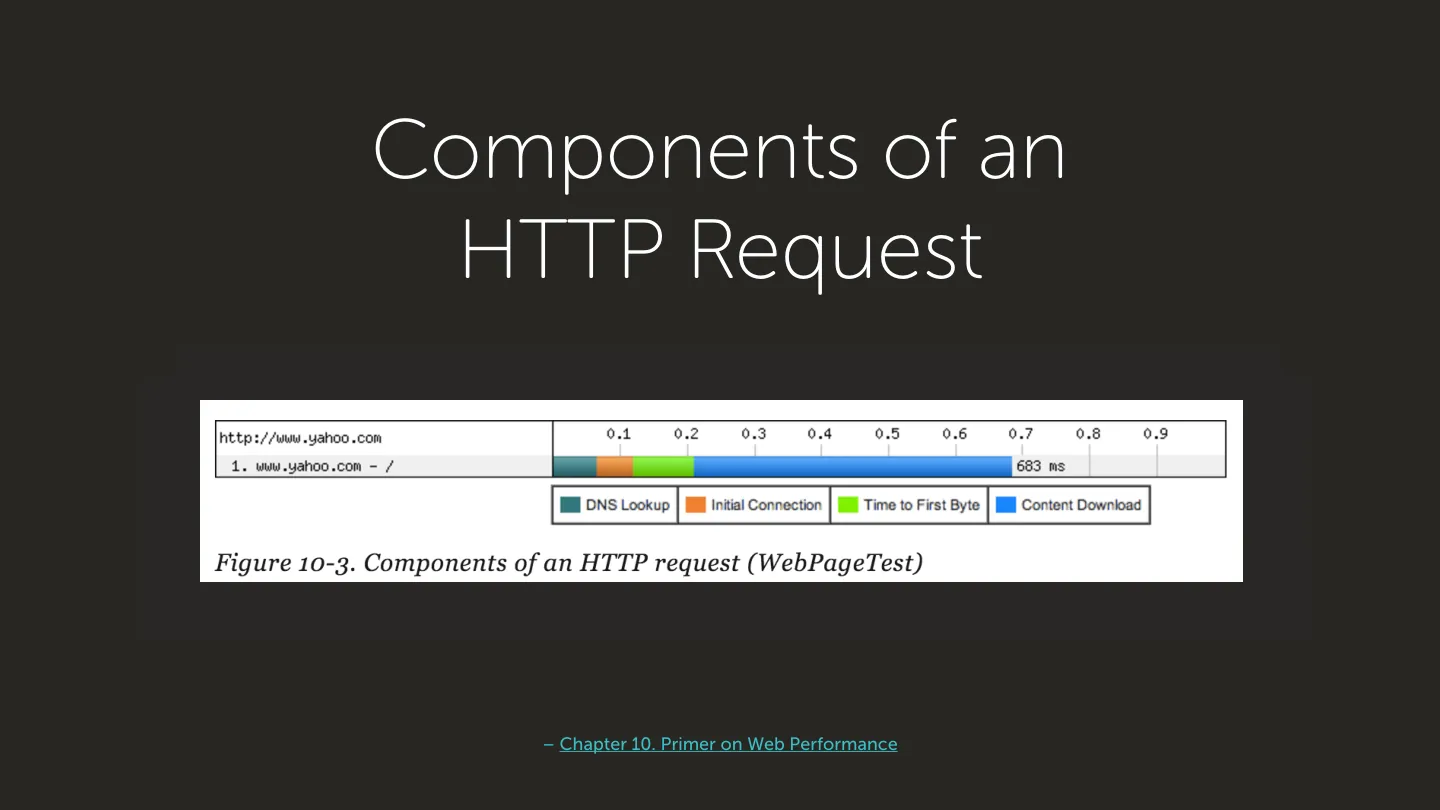
Further reading from the slides: Ilya Grigorik’s “Primer on Web Performance” chapter in High Performance Browser Networking, “HTTP/2 for a Faster Web”, and CloudFlare’s “What is HTTP/2?”.