$ cd ~/talks/understanding-http-web-performance

Understanding HTTP & Web Performance⁠

Back to the roots of the web: how HTTP works, how to measure performance, and creative ways to use the protocol to make apps faster.

$ open slides

  1. Collide Halifax October 22, 2015 Understanding HTTP & Web Performance
  2. Welcome.
  3. Who are these guys? Luke DeWitt Web Team Lead Mike Rudolph DEFINITELY NOT A COP
  4. Immediacy of Now
  5. Immediacy of Now
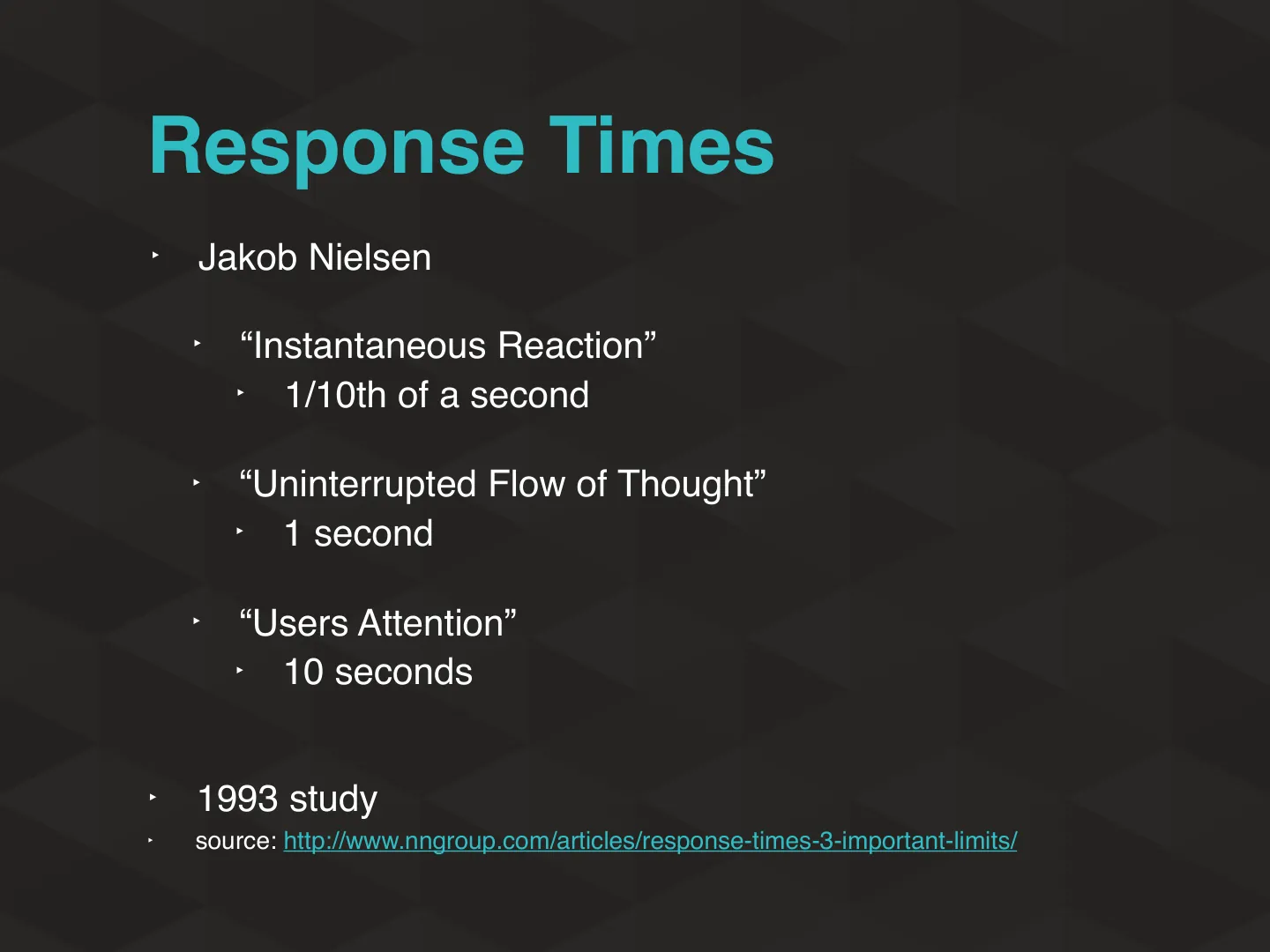
  6. ‣ Jakob Nielsen Response Times ‣ “Instantaneous Reaction” ‣ 1/10th of a second ‣ “Uninterrupted Flow of Thought” ‣ 1 second ‣ “Users Attention” ‣ 10 seconds ‣ 1993 study ‣ source: http://www.nngroup.com/articles/response-times-3-important-limits/
  7. SQUIRREL!!!
  8. Show of hands…
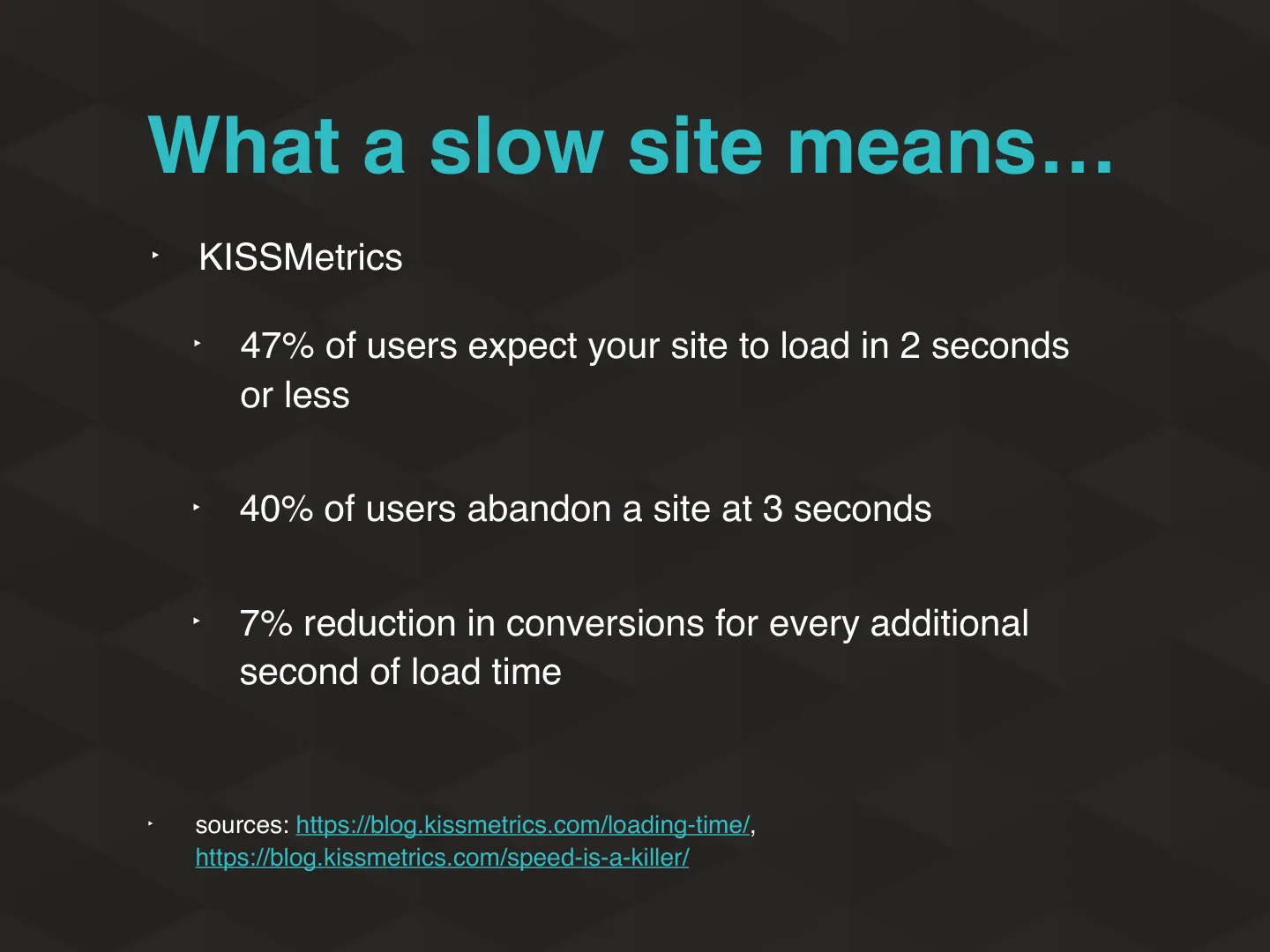
  9. ‣ KISSMetrics What a slow site means… ‣ 47% of users expect your site to load in 2 seconds or less ‣ 40% of users abandon a site at 3 seconds ‣ 7% reduction in conversions for every additional second of load time ‣ sources: https://blog.kissmetrics.com/loading-time/, https://blog.kissmetrics.com/speed-is-a-killer/
  10. Let’s Do It!
  11. Critical Path CSS
  12. Image Optimizations
  13. SVGs - Scalable Vector Graphics
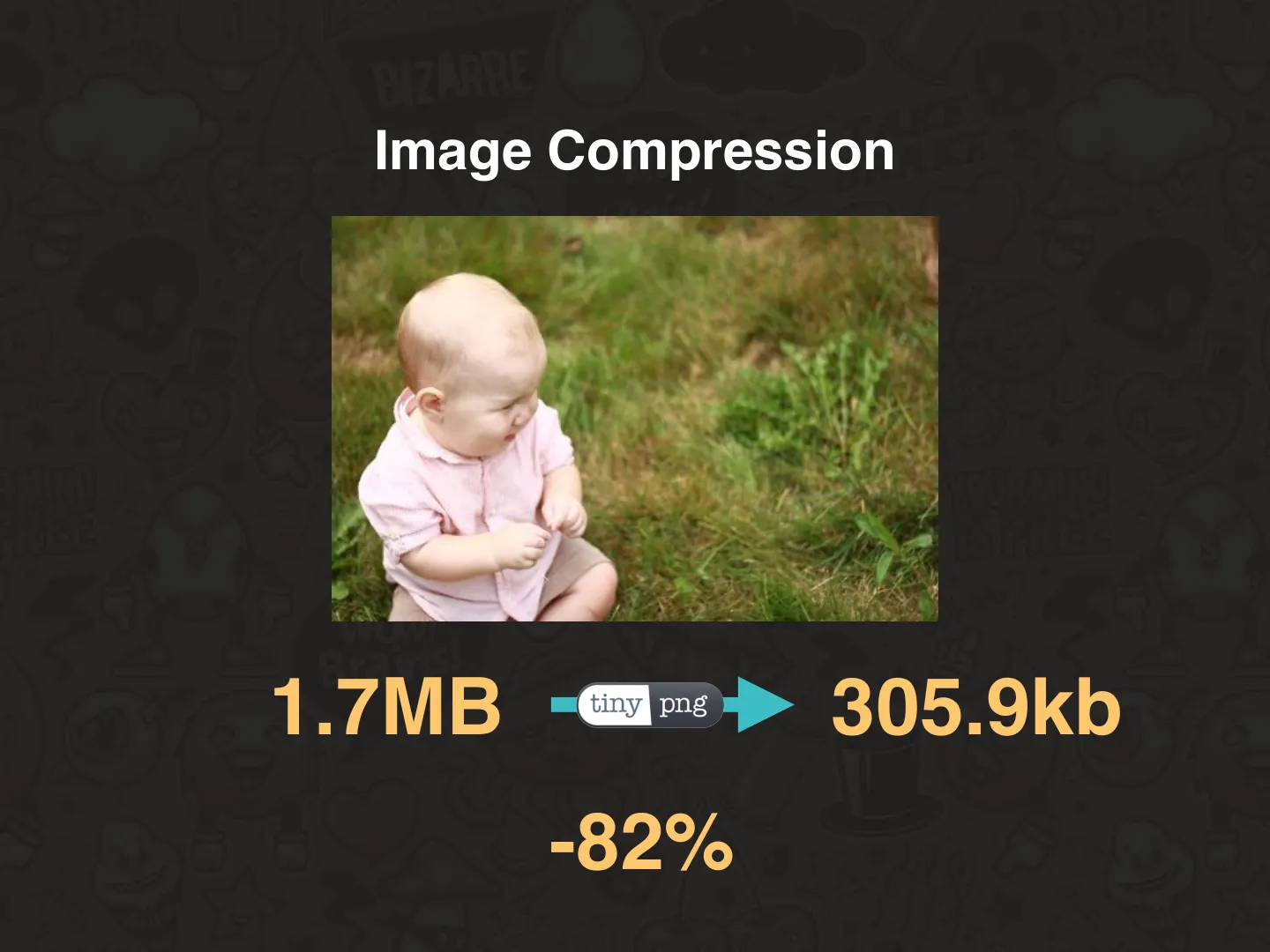
  14. Image Compression 1.7MB 305.9kb -82%
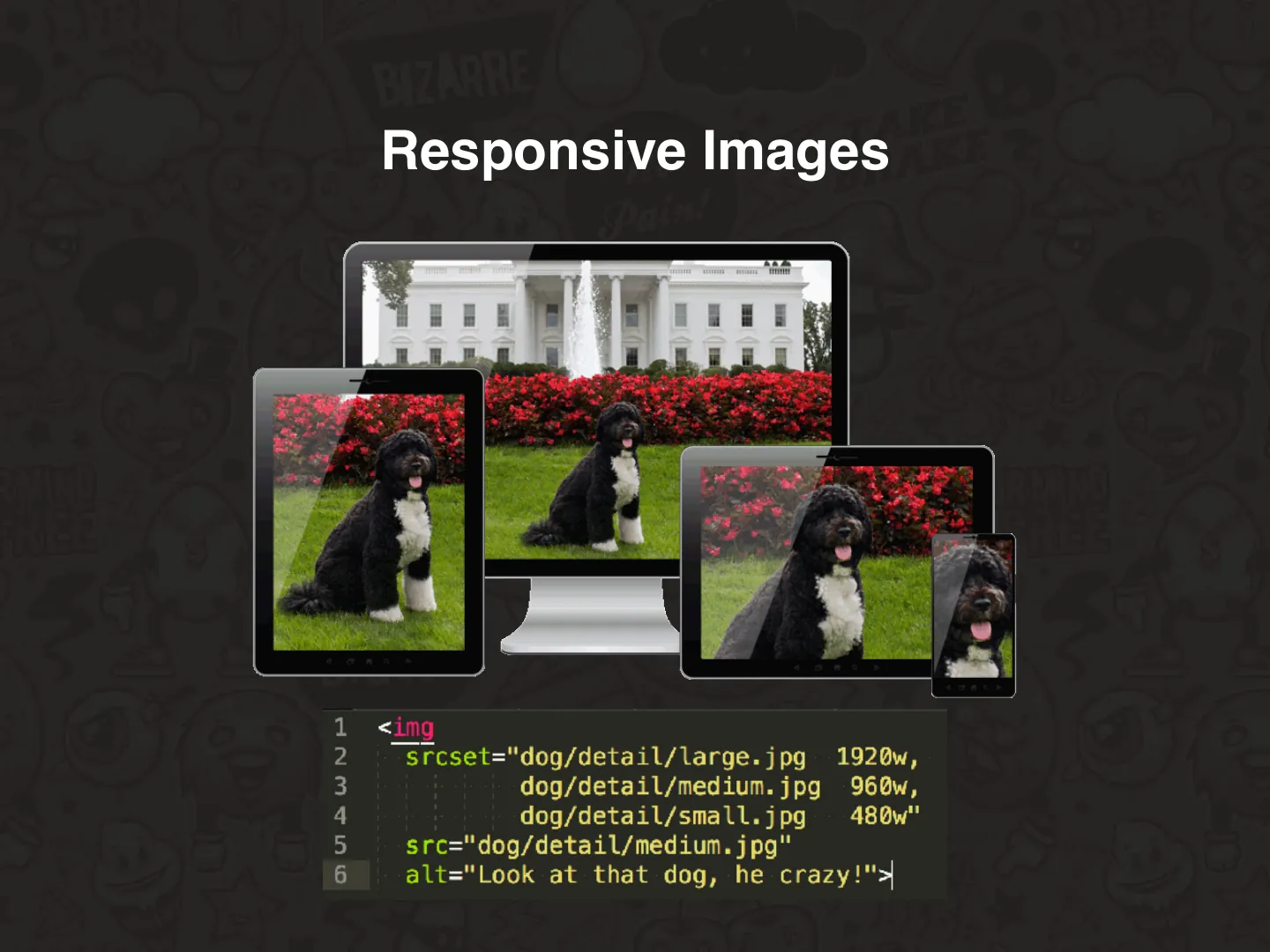
  15. Responsive Images
  16. Font Caching
  17. Javascript Optimizations
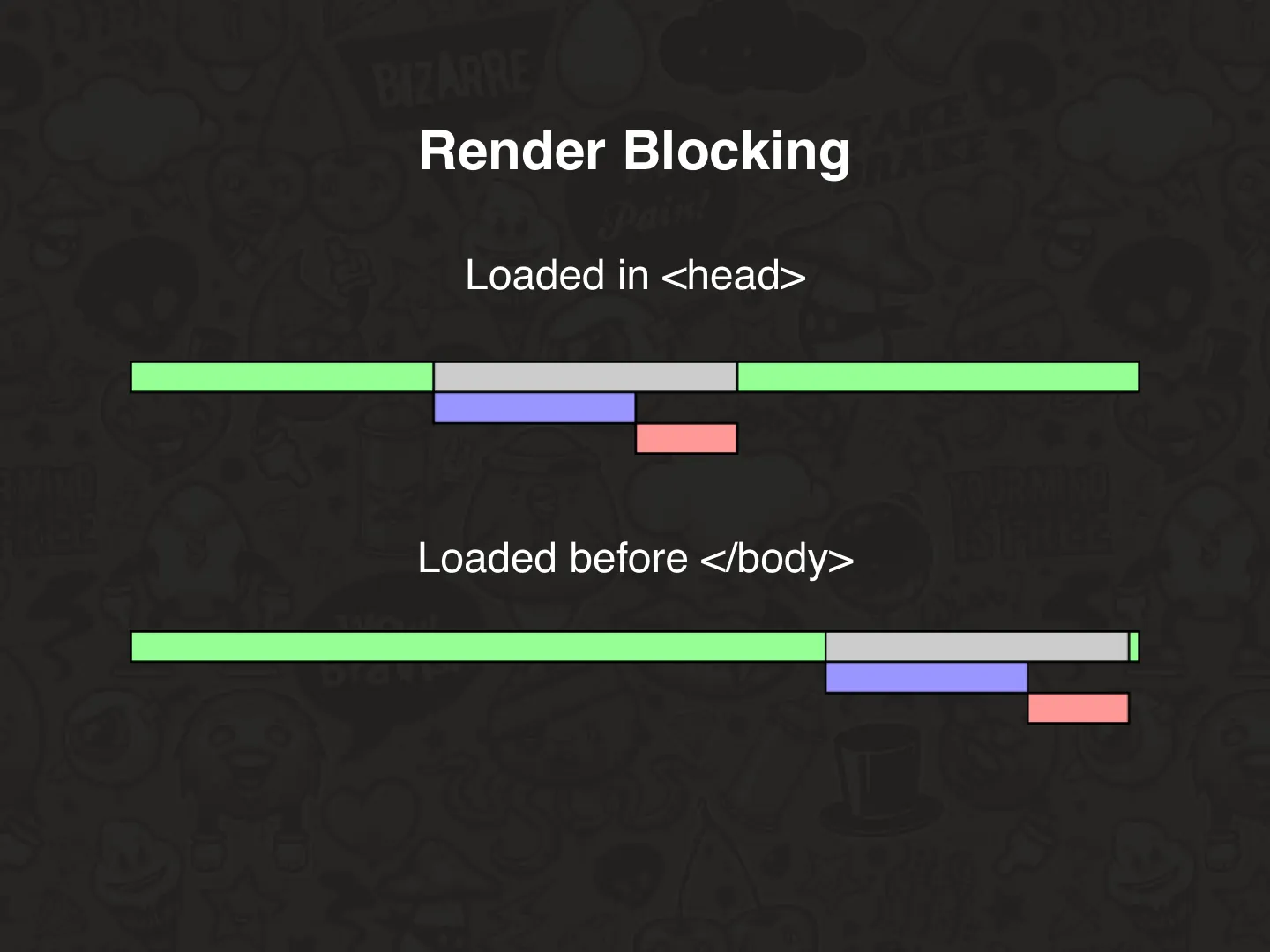
  18. Render Blocking Loaded in <head> Loaded before </body>
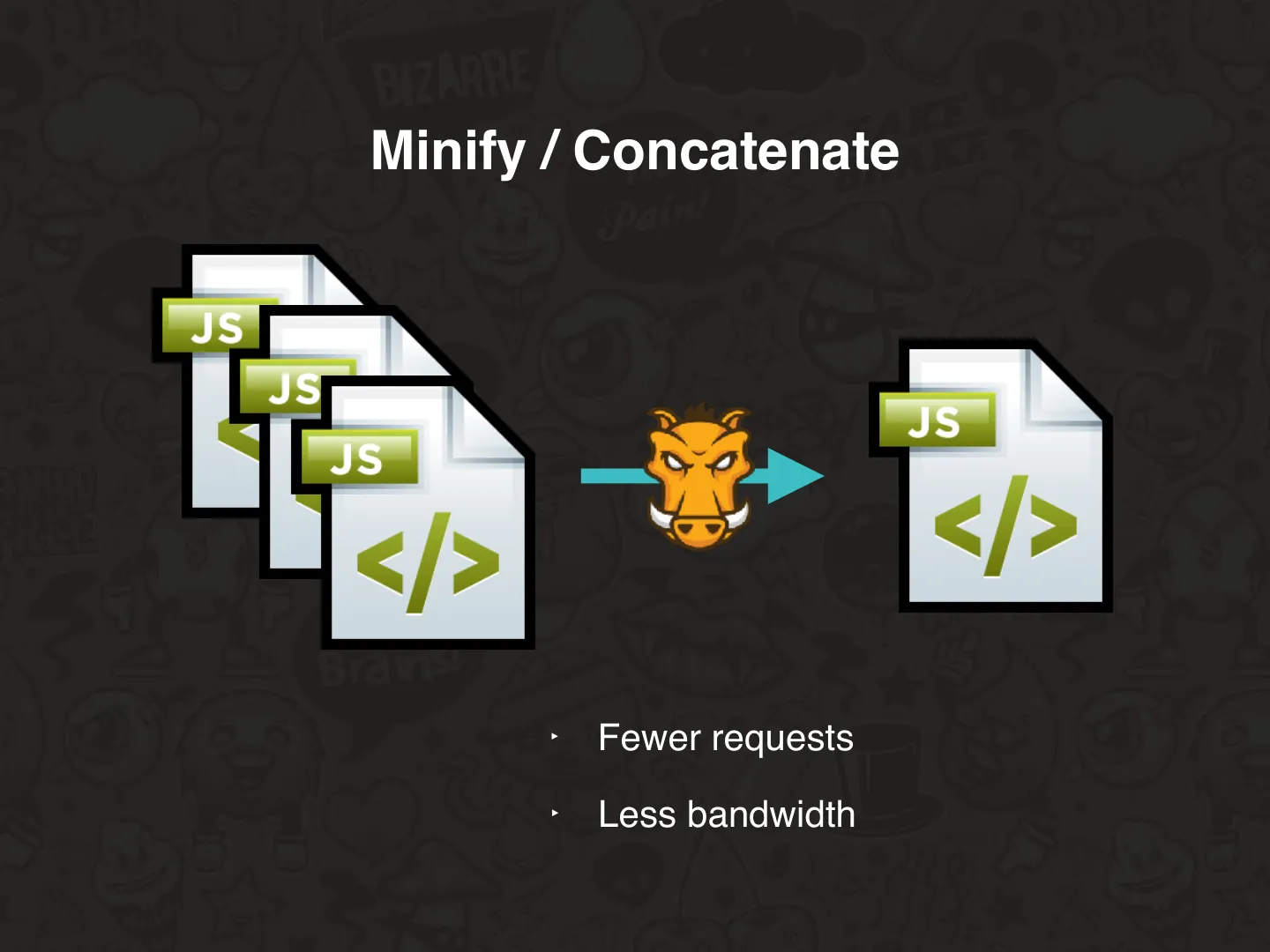
  19. Minify / Concatenate ‣ Fewer requests ‣ Less bandwidth
  20. Content Delivery Network
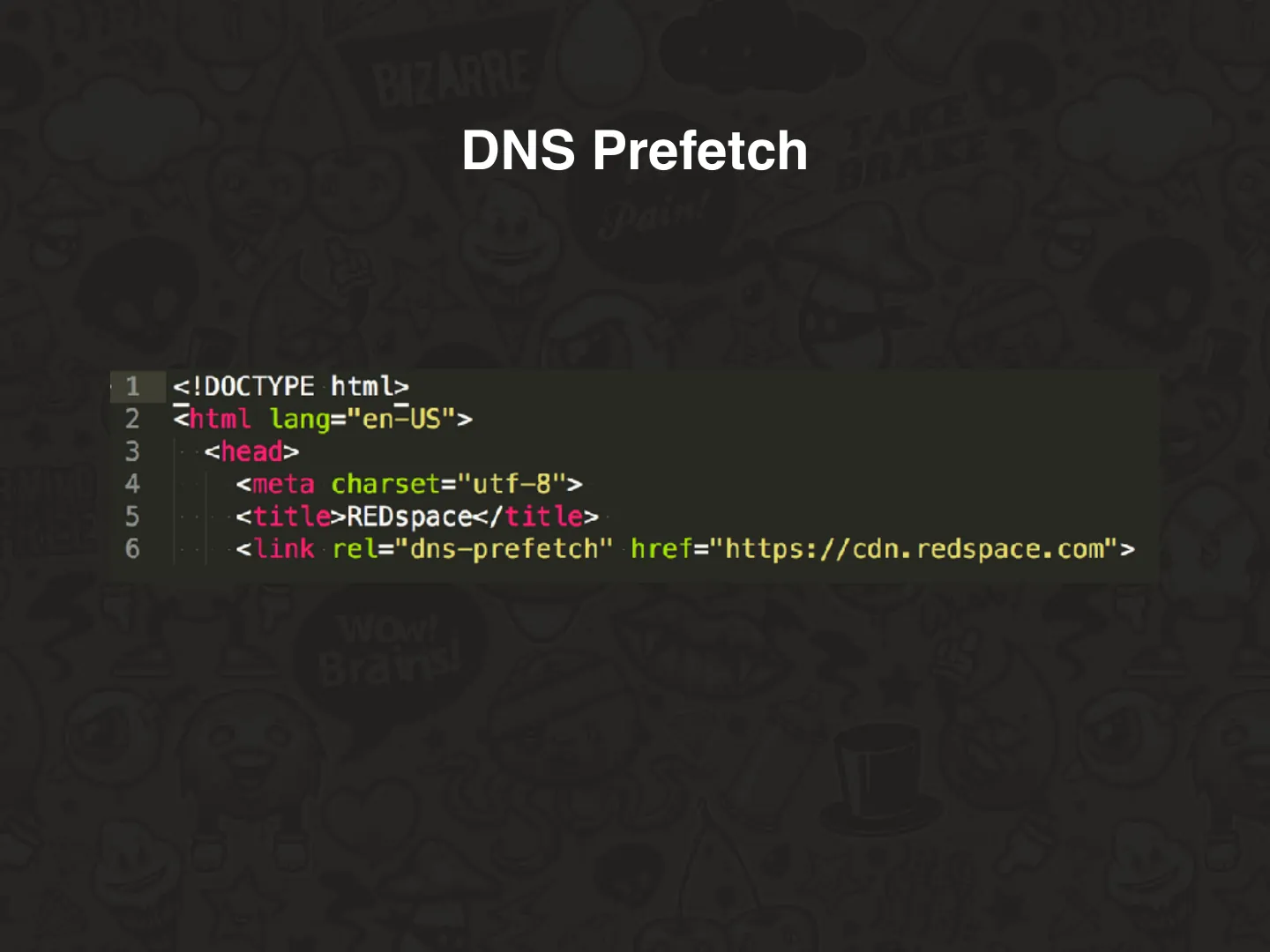
  21. DNS Prefetch
  22. Wrapping up…
  23. Thank You @whatadewitt @mikerudolph_
  24. Questions
1 / 30
download pdf ↓

$ cat notes.md

With more people on low-bandwidth, low-powered mobile devices, performance is a big part of the user experience. Mike Rudolph and I went back to our roots: how the HTTP protocol works, and how to use it to optimize performance in creative ways.

We covered how to measure performance, plus tips and tricks from our own work in the industry.

visitor@whatadewitt: ~